
In a landmark gathering at the Kgoši Mampuru II Correctional Facility, a diverse coalition of academics, policy experts, victims of crime, unions, parolees, and government officials convened today, 22 September 2025, for the opening of the two-day National Parole Review Summit. The summit seeks to conduct a thorough examination of South Africa’s parole system, balancing the goals of rehabilitation with the imperative of public safety.
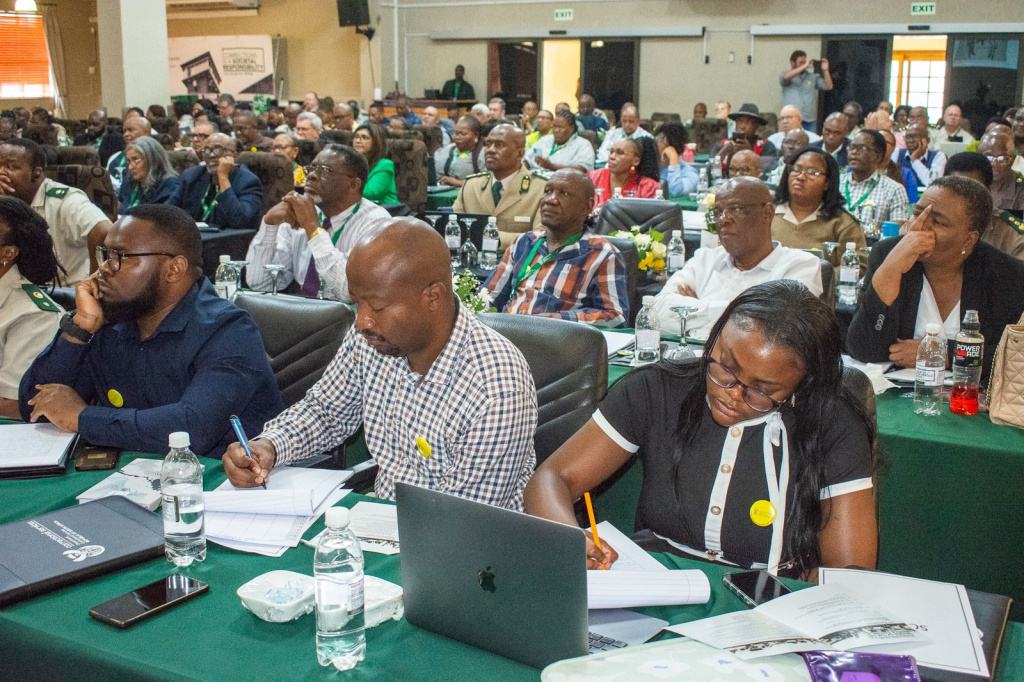
National Commissioner of the Department of Correctional Services, Mr Makgothi Thobakgale set a clear and actionable vision for the summit.
“This summit is more than a discussion; it is an inclusive dialogue dedicated to generating tangible interventions for a progressive transformation of our parole system. It is firmly aligned with our department’s vision that affirms corrections as a societal responsibility,” he said.
In his keynote address, Minister of Correctional Services, Dr Pieter Groenewald, issued a powerful call to action, stressing that the outcomes of the summit must serve the best interests of all affected.
“We must work together to forge a parole system that unequivocally protects victims of crime and makes our society a safer place,” the Minister said.
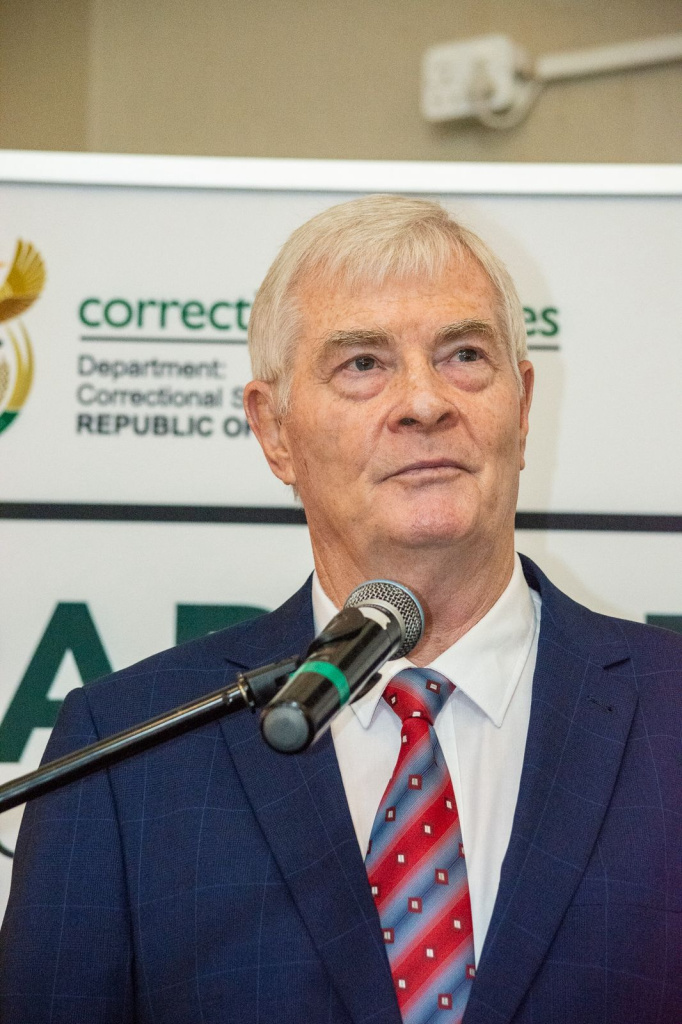
He warned against using parole merely as a tool to manage overcrowding in Correctional Centres.
“We must not resort to placing inmates on parole simply to ease overcrowding. Parole must be reserved for those who have met all requirements, are genuinely prepared for reintegration, and pose no risk to the public,” he emphasized.
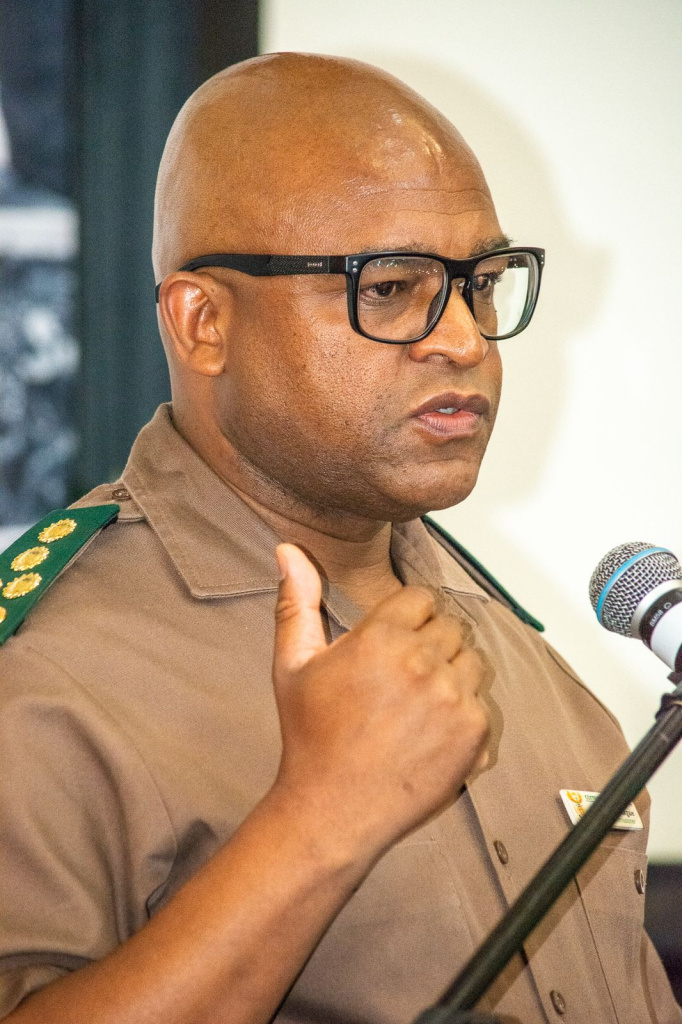
Minister Groenewald raised serious concern over recidivism rates in the 2024/25 financial year, highlighting troubling statistics.
“It is alarming to note that 209 parolees committed murder, while 230 were involved in rape cases. These crimes endanger women and children and threaten the very fabric of our society,” he declared.
As a way forward, the Minister underscored the centrality of rehabilitation programmes, championing Self-Sufficiency and Sustainability initiatives as key to preparing inmates for life after release.
“Through our correctional centres’ bakeries, workshops, and agricultural projects, we are empowering parolees with practical skills. These opportunities allow them to earn a lawful livelihood, contribute positively to their communities, and reduce the likelihood of reoffending,” he said.
Day one of the summit, chaired by Deputy Minister of Correctional Services, Ms Lindiwe Ntshalintshali, also provided parolees with a platform to share their personal experiences of reintegration. Critical topics on the agenda include the use of advanced risk-assessment tools, evidence-based strategies to reduce reoffending, data-driven approaches to strengthen parole processes, and the protection of human rights.

The National Parole Review Summit marks a pivotal moment for South Africa’s criminal justice system — striving to shape a parole framework that not only restores lives but also safeguards communities.