
For 34 years, veteran nutritionist Elsie Mostert has transformed food service units into sanctuaries of care and dignity. She has dedicated her career to providing nutritional support for incarcerated females, mothers with children, and juveniles, serving thousands of meals with a focus on respect and rehabilitation.
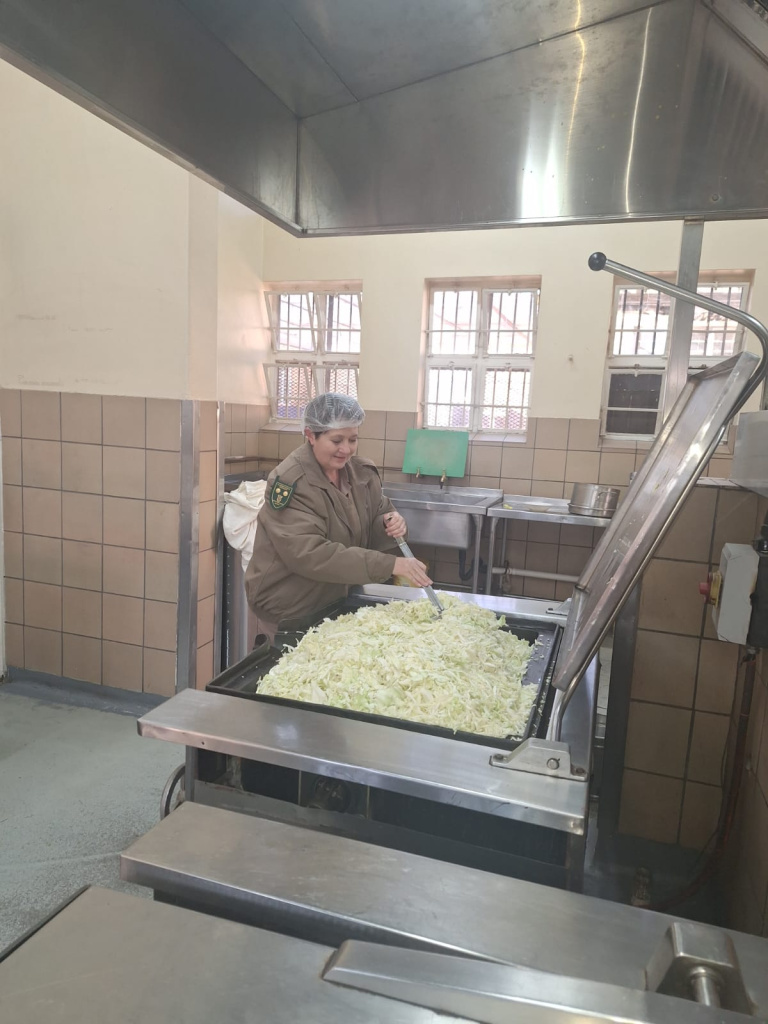
Mostert’s passion for food traces back to her childhood in Kroonstad, where her mother, a Home Economics teacher at a local farm school, first ignited her culinary spark. Witnessing her mother cook and educate others planted the seeds for a lifelong love of food. This early immersion in the kitchen taught her more than technique; it instilled the core values of care, hygiene, and the art of nourishment.
After graduating from Kroonstad Training College in 1991, Mostert began her service at the Bizzah Makhate Correctional Centre in the Free State and Northern Cape Region. Her career path demonstrates remarkable versatility, evolving from a Warder/Security Official to various administrative roles. This journey through different operational facets of the centre gave her a comprehensive understanding of its needs. Her keen interest in food preparation soon led her to the Nutrition Unit, where she has excelled ever since.
Today, as a Supervisor: Nutrition, Mostert manages the dietary requirements for approximately 420 inmates. She embraces her role as both a mentor and teacher, ensuring the delivery of quality meals while providing inmates with training in catering, food safety, and creative meal preparation. By equipping them with these practical skills, she empowers them to pursue careers in the catering field upon release and to promote healthy nutrition within their own families.
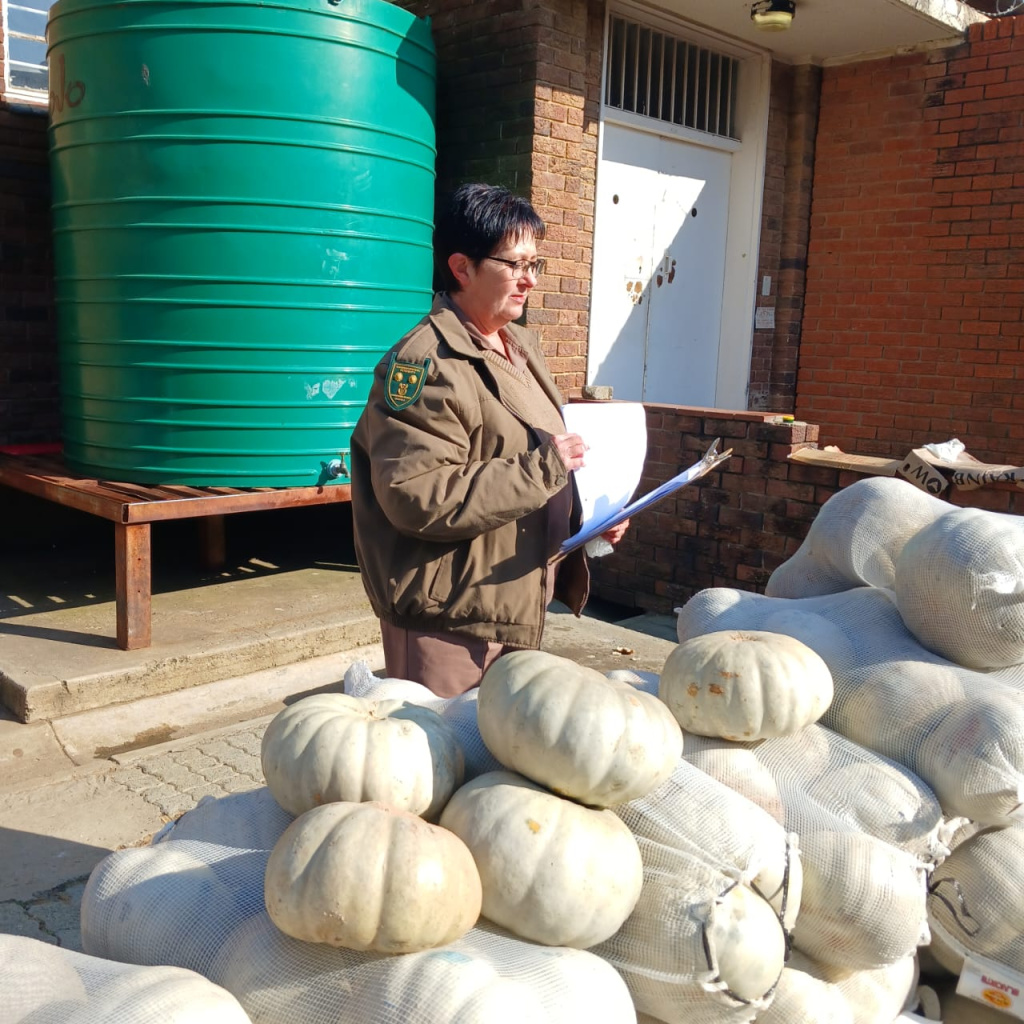
Under her leadership, the kitchen consistently maintains the prestigious R638 Certificate of Acceptability, demonstrating full compliance with national hygiene regulations. Mostert is also an active member of the Management Area’s Food Service Management Forum and the Bid Specification Committee.
Her daily responsibilities are extensive, encompassing food service management, financial oversight, commodity procurement, and ensuring strict adherence to food safety, workplace safety, and hygiene protocols. She also played a pivotal role in modernizing the meal calculation register, improving efficiency and accuracy for the entire facility.
Mostert describes the correctional facility as a unique world that unites people from diverse cultural backgrounds under one roof. “This environment broadens your perspective,” she notes. “Through our diversity, I have learned Sesotho, isiXhosa, IsiZulu, and Spanish by engaging with inmates and colleagues.”
She further emphasizes that her team’s work goes beyond mere sustenance. “The dishes we prepare are not just food; they are prescribed nutrition,” Mostert explains. “We must be vigilant and knowledgeable about allergies and therapeutic diets. We carefully accommodate religious diets for groups such as Muslims, Rastafarians, Zion Christian Church (ZCC) members, and vegetarians, ensuring every meal meets both dietary guidelines and individual needs.”
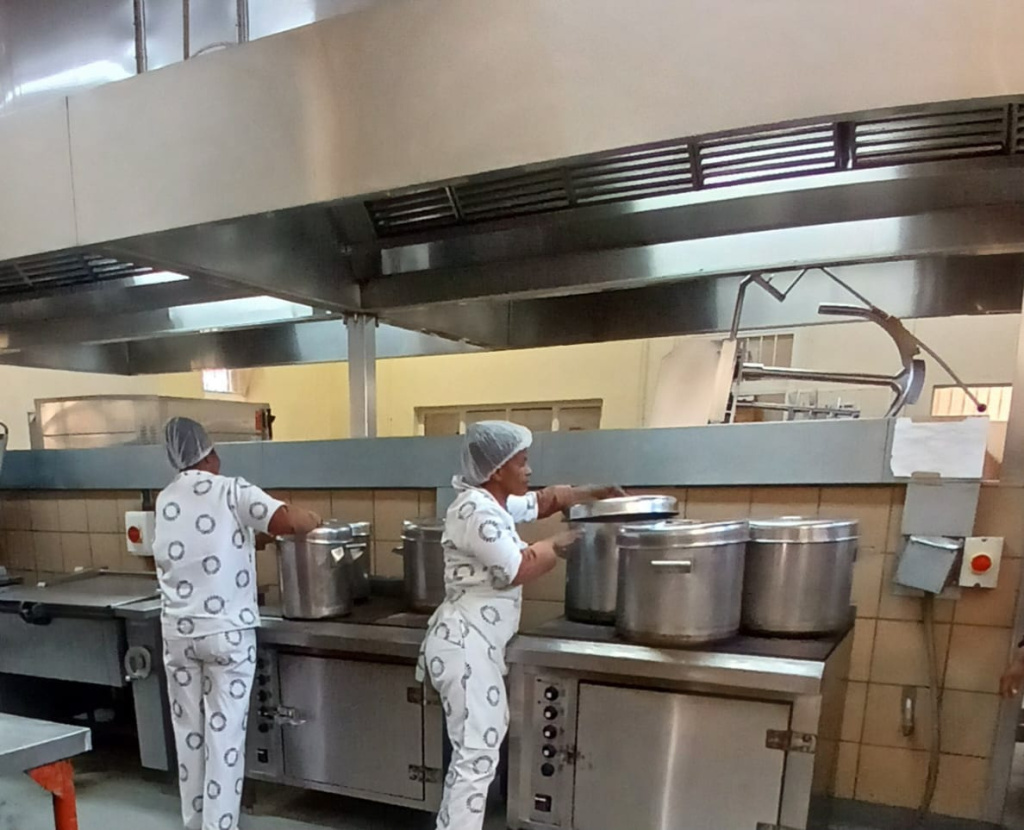
On this World Food Day, Elsie Mostert’s story is a powerful reminder that the right to food is a right to dignity. Her career stands as a testament to the idea that with every nutritious, respectfully prepared meal, we sow the seeds for a healthier, more hopeful society.