
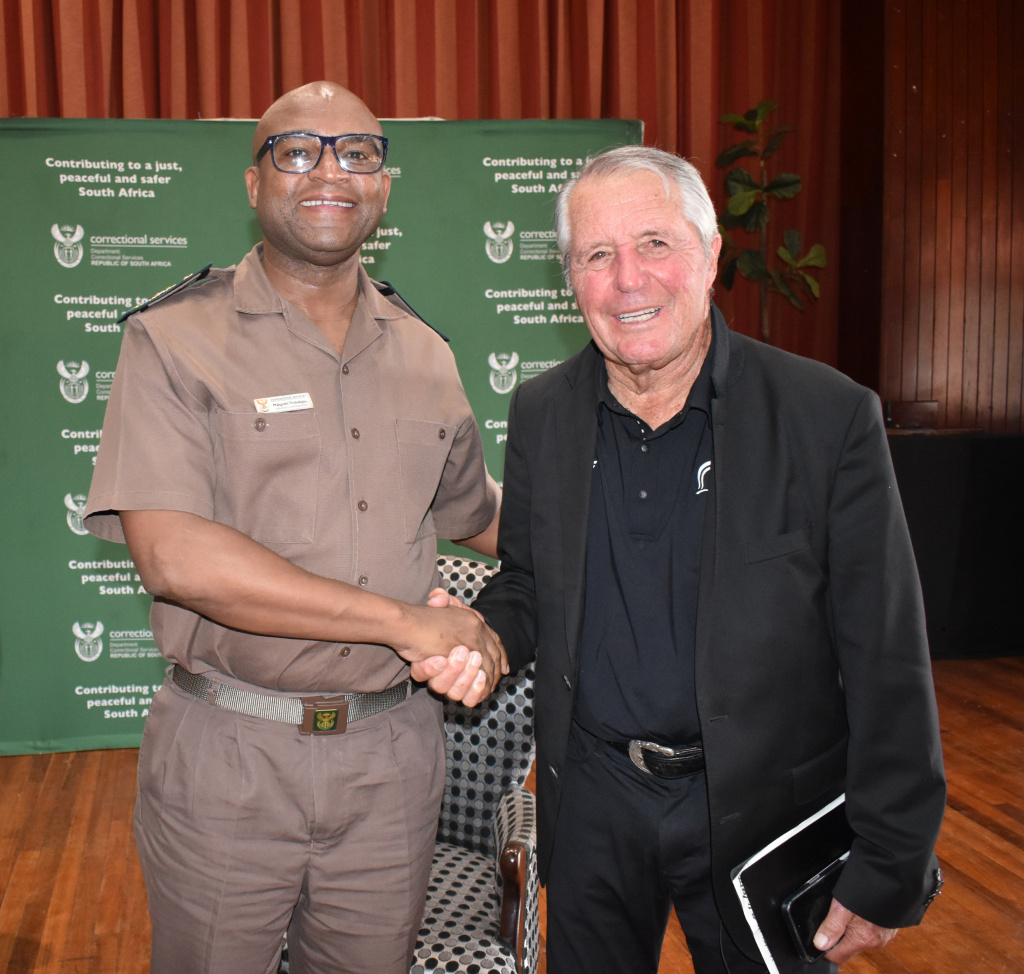
The echoes of a golf legend’s voice, usually reserved for champion greens, resonated within the walls of Pollsmoor Correctional Facility on 24 February 2026, carrying a message of hope and second chances. On this day, the Department of Correctional Services (DCS), led by Minister Dr Pieter Groenewald and National Commissioner Mr Makgothi Thobakgale, hosted world-renowned golfer Gary Player for a motivational visit aimed at inspiring offenders to rewrite their own life stories.
This visit formed part of the Department’s ongoing rehabilitation and social reintegration programmes, which seek to inspire offenders to renounce criminal behaviour and embrace constructive life paths.
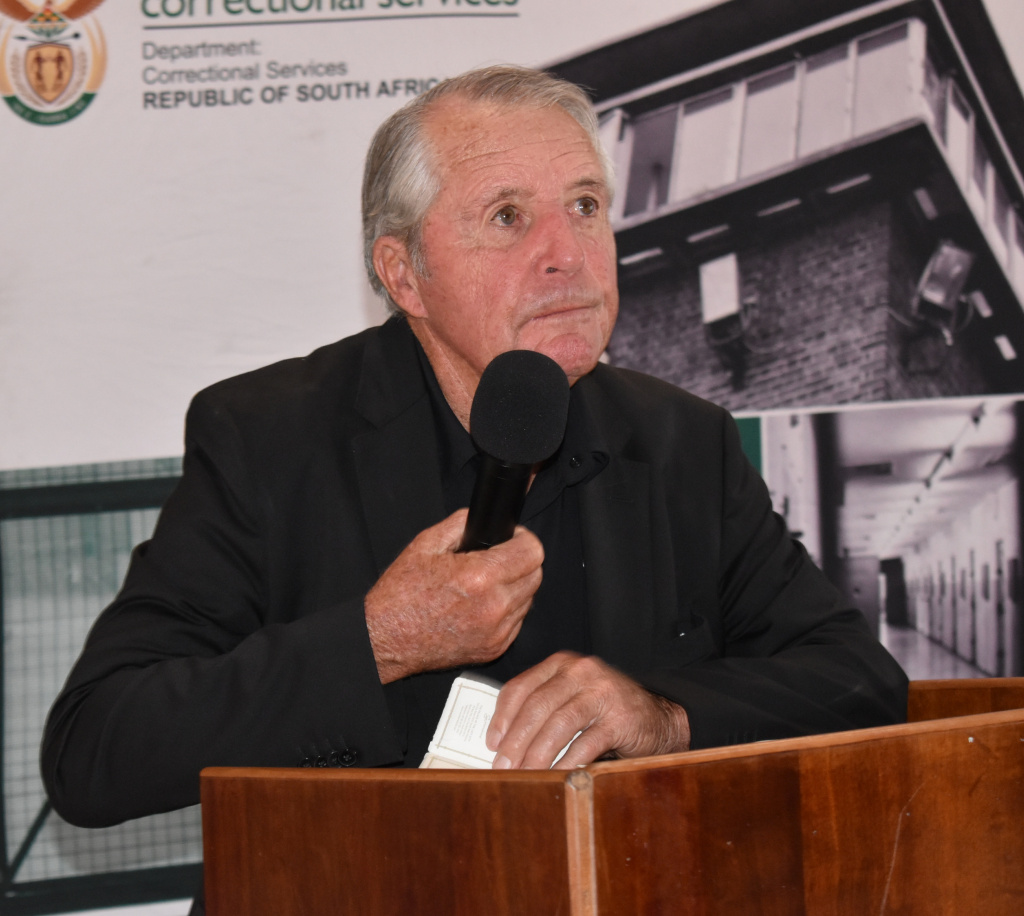
Addressing the offenders, Mr Player reflected on his humble upbringing and the discipline that shaped his journey to global success. Drawing on personal experience, he emphasised the importance of perseverance, self-belief, and hard work in overcoming adversity. “No matter where you come from or what mistakes you have made, you can still build a meaningful life through discipline, hard work, and a positive attitude. Your past does not have to define your future,” said Mr Player.
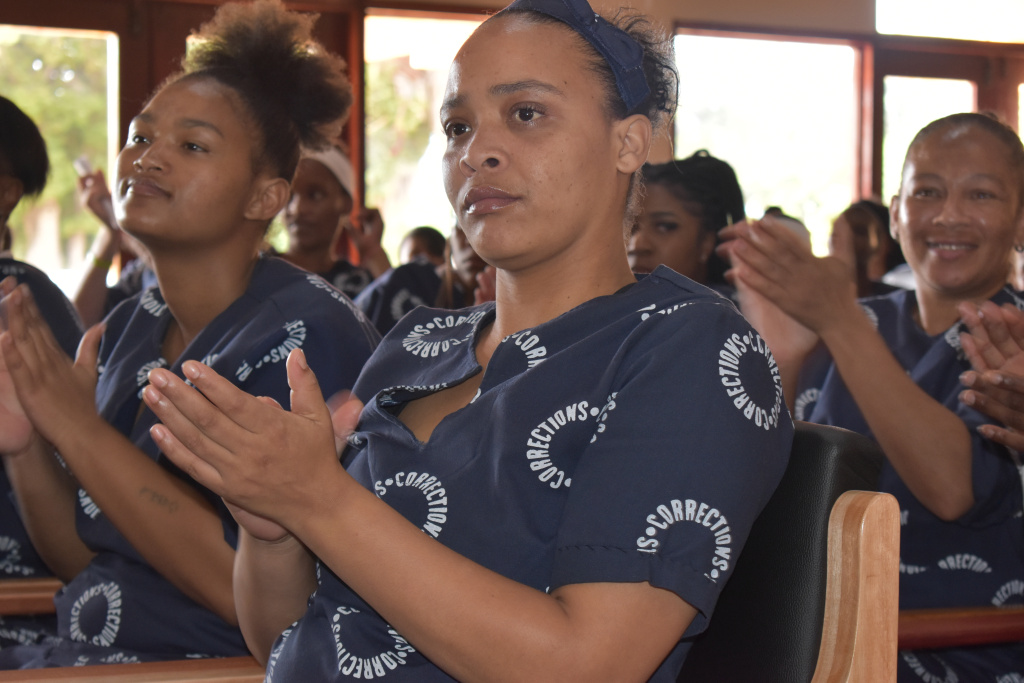
Minister Groenewald highlighted the significance of exposing offenders to credible role models whose life stories demonstrate the power of resilience and determination. “Mr Player’s journey from humble beginnings to international acclaim serves as a powerful reminder that personal transformation is possible. Such engagements reinforce our commitment to rehabilitation as the cornerstone of corrections,” said Minister Groenewald.
National Commissioner Thobakgale noted that the visit aligns with the Department’s mandate to prepare offenders for successful reintegration into society. “By exposing them to positive role models and meaningful life lessons, we strengthen their capacity to make better choices and return to their communities as responsible, law-abiding citizens, contributing to the eradication of stigmatisation,” he said.
The programme also afforded offenders the opportunity to engage directly with Mr Player during an interactive question-and-answer session. Several participants raised concerns about the challenges they anticipate upon release, particularly regarding reintegration into their communities and accessing economic opportunities.
Some offenders inquired about support for establishing their own businesses using skills acquired during incarceration, including business management, beauty care, and other vocational training programmes.
In response, Mr Player acknowledged the importance of continued support beyond incarceration and expressed his willingness to explore possible avenues of assistance. “The skills you are acquiring are valuable, and they can change your lives if you use them positively. I will engage with my stakeholders to explore the possibility of establishing a funding initiative that could assist you in starting businesses and rebuilding your lives,” he said.
The visit underscored the Department’s ongoing commitment to rehabilitation, skills development and social reintegration as key pillars in reducing recidivism and promoting safer communities.