
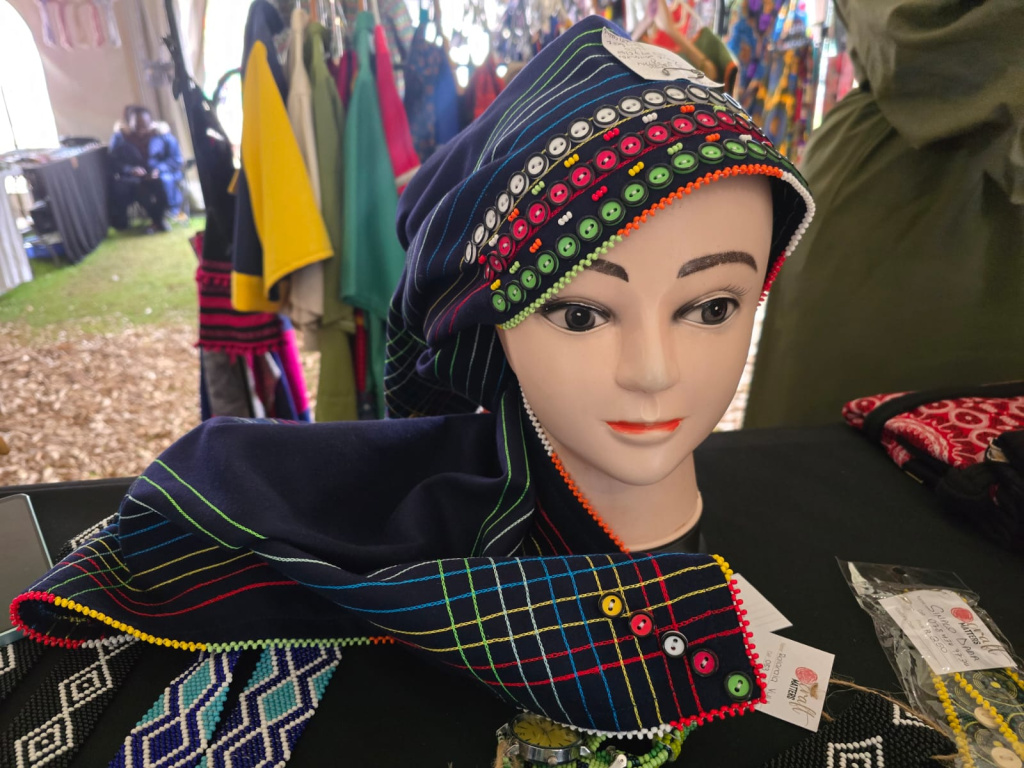
The Department of Correctional Services (DCS) has returned to the National Arts Festival in Makhanda (formerly Grahamstown), using the country’s premier cultural gathering to place rehabilitation firmly in the spotlight.
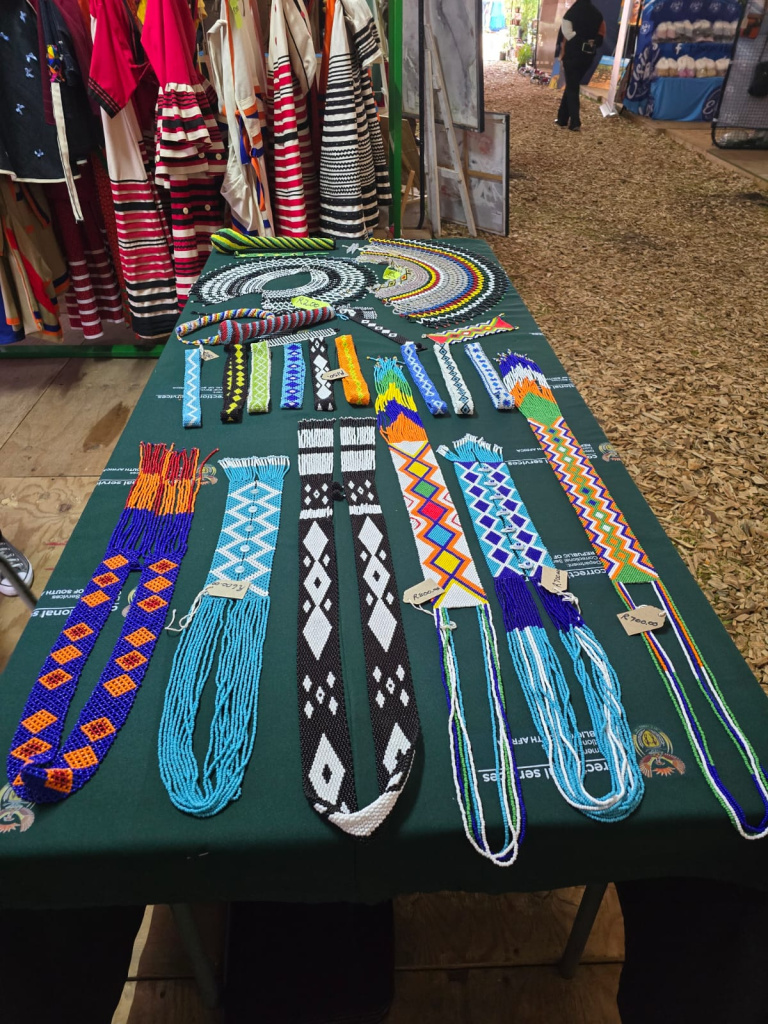
Running from 25 June to 5 July, the festival offers the Department a vital national platform to exhibit the creativity, skill and vocational talent of offenders from correctional centres across South Africa. This year’s exhibition features a rich array of handcrafted works, from paintings and intricate beadwork to leather goods, woven textiles, and finely finished wooden furniture and décor.
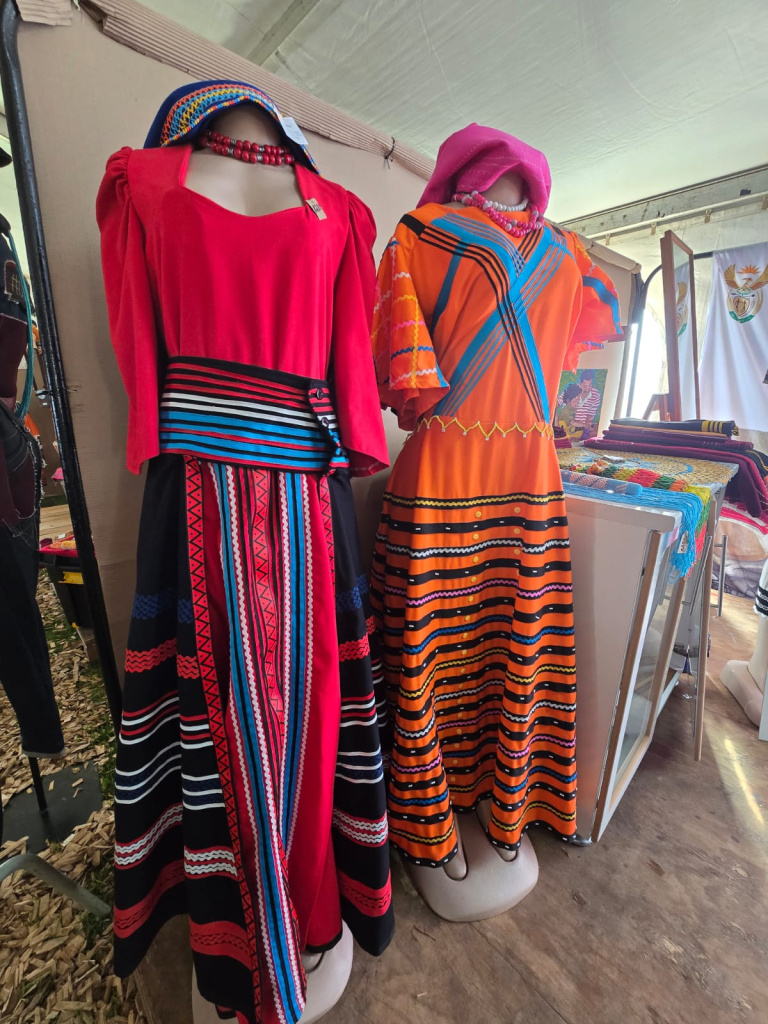
More than a display of artistic flair, the exhibition underscores the Department’s rehabilitative mandate by showcasing tangible outcomes of offender development programmes. Through arts-based training and vocational education, offenders gain practical competencies and entrepreneurial know-how that foster personal growth, restore a sense of dignity, and improve their chances of securing sustainable employment or starting small enterprises after release.
The exhibition also invites the public to engage directly with the Department’s rehabilitation efforts, offering a window into how correctional services can act as a catalyst for positive behavioural change. Visitors may purchase the handcrafted items on display, with proceeds channelled back into offender welfare and skills development initiatives.
By taking part in the National Arts Festival, the DCS reinforces a core message: rehabilitation is a shared societal responsibility. When the Department creates opportunities for offenders to hone their talents and contribute productively to society, it advances restorative justice, lowers the risk of reoffending, and helps build safer communities for all.
Through initiatives like these, the DCS remains unwavering in its mission to place rehabilitation at the heart of corrections – proving that, given the right support, skills and opportunities, individuals can turn their lives around and make meaningful contributions to the society they once harmed.