
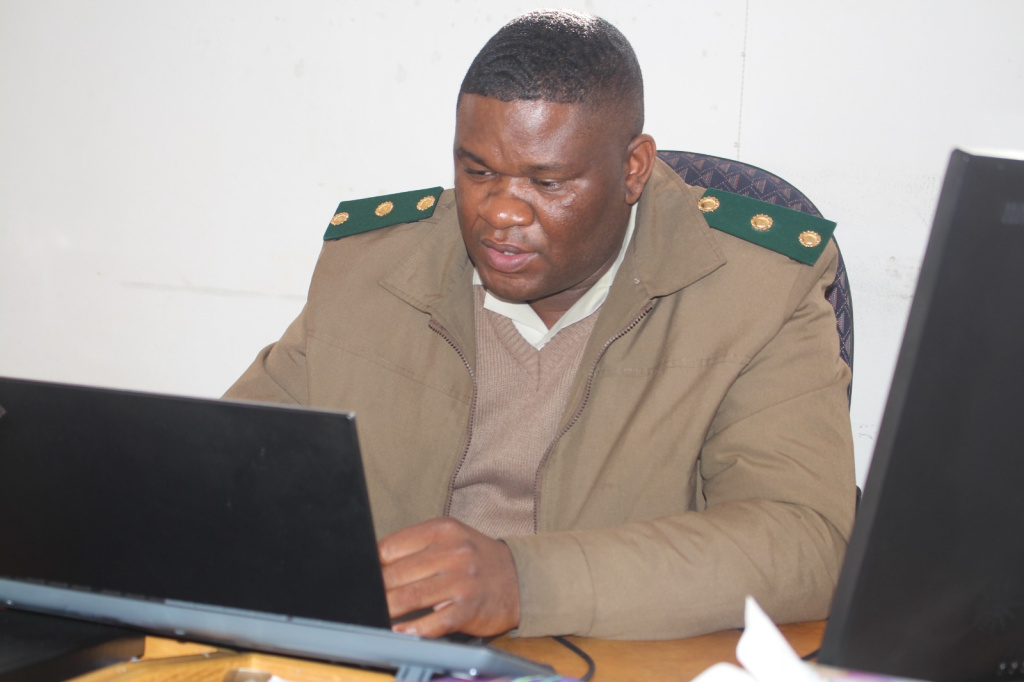
For Social Work Supervisor Onkemetse Joseph Mogapi, social work within the Department of Correctional Services (DCS) is far more than a profession – it is a calling to restore hope and create opportunities for lasting change.
With nine years of experience at Bethal Correctional Centre, Mogapi oversees and mentors a team of social workers, ensuring quality rehabilitation and psychosocial services reach offenders. His responsibilities include supervising case management, guiding professional development, ensuring compliance with departmental policies, and collaborating with multidisciplinary teams to support offender rehabilitation and reintegration.
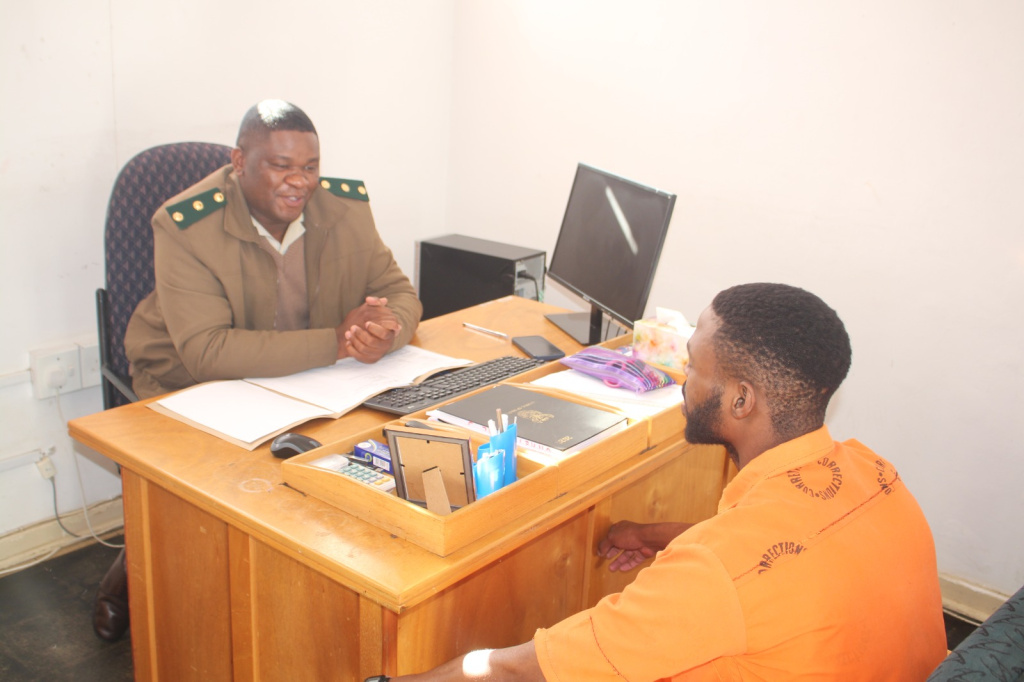
A Belief in Second Chances
Mogapi’s decision to pursue social work in corrections was driven by a firm belief that every individual deserves dignity and an opportunity to change.
“Crime, trauma and broken systems affect not only offenders but their families and communities too,” he explains. “Real transformation happens when we address the root causes of offending behaviour, including poverty, substance abuse, trauma, anger and the lack of support systems.”
Through comprehensive holistic assessments, social workers identify psychosocial challenges and develop interventions that address individual needs. Their focus extends beyond correcting behaviour to restoring individuals and equipping them to become responsible, law-abiding citizens.
Building Rehabilitation Through Professional Intervention
Social workers in DCS facilitate a wide range of evidence-based rehabilitation programmes, including individual and group counselling, substance abuse intervention, anger management, life skills development, family preservation and reunification services, parenting programmes, and pre-release preparation.
These interventions help offenders develop healthier coping mechanisms, improve decision-making, rebuild family relationships and prepare for successful reintegration.
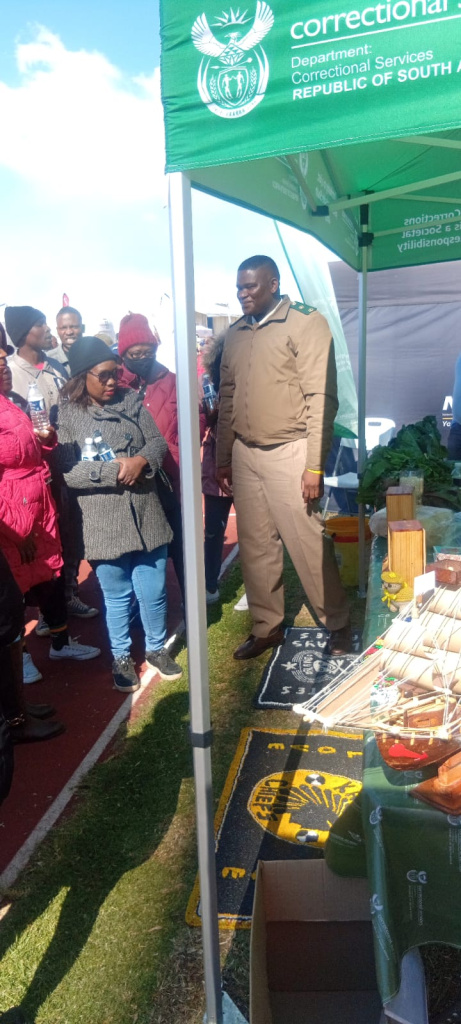
Social workers also facilitate restorative justice initiatives such as Victim-Offender Mediation and Victim-Offender Dialogues, working alongside Social Auxiliary Workers and Chaplains to promote healing, accountability and reconciliation.
Rehabilitation is a Team Effort
Within DCS, rehabilitation is achieved through multidisciplinary collaboration. Social workers work alongside psychologists, criminologists, nurses and correctional officials, each contributing specialised expertise to address offenders’ diverse needs.
While psychologists focus on mental health, trauma and cognitive functioning, criminologists provide insight into criminal behaviour and risk factors. Together, these professionals develop integrated interventions that support meaningful rehabilitation outcomes.
Preparing Offenders for Life Beyond Correctional Centres
According to Mogapi, successful offender reintegration is essential because the majority of offenders will eventually return to their communities.
“The goal of correctional services is not only to correct but to restore,” he says.
Social workers prepare offenders for release by equipping them with practical life skills, job readiness and coping strategies. Community Corrections social workers continue this support by working with parolees, probationers and their families to strengthen reintegration and reduce the likelihood of reoffending.
Meeting Challenges with Professionalism and Compassion
Social work within DCS is both rewarding and demanding. Practitioners often encounter offenders resistant to change, high caseloads, limited resources and the emotional impact of working with trauma daily.
Despite these challenges, Mogapi emphasises the importance of building trust through respect, consistency and a non-judgemental approach. Continuous supervision, teamwork and professional support help social workers maintain their own wellbeing while delivering quality services.
A Career Grounded in Values
To become a social worker in DCS, individuals must obtain a Bachelor of Social Work degree from an accredited university and register with the South African Council for Social Service Professions (SACSSP) – a legal requirement for practising in South Africa.
Beyond academic qualifications, successful social workers possess strong counselling and communication skills, emotional intelligence, integrity, empathy and respect for human dignity.
A Career That Changes Lives
Reflecting on his career, Mogapi says the greatest reward comes from witnessing transformation.
“There is nothing more fulfilling than seeing someone who arrived angry, hopeless and broken take responsibility for their actions, develop new skills and reconnect with their family. It is especially rewarding to meet former offenders who tell you that the guidance they received helped them change their lives.”
Every successful rehabilitation journey represents more than an individual achievement – it means one less victim, stronger families and safer communities.
Mogapi encourages learners and students considering social work to approach the profession with dedication, compassion and a genuine desire to serve others.
“Study hard, earn your qualification and remember that social work is built on ethics, knowledge and respect for human dignity. The work can be emotionally demanding, but it is deeply rewarding. If your goal is to help people change and contribute to safer communities, then DCS offers an opportunity to make a meaningful difference.”