
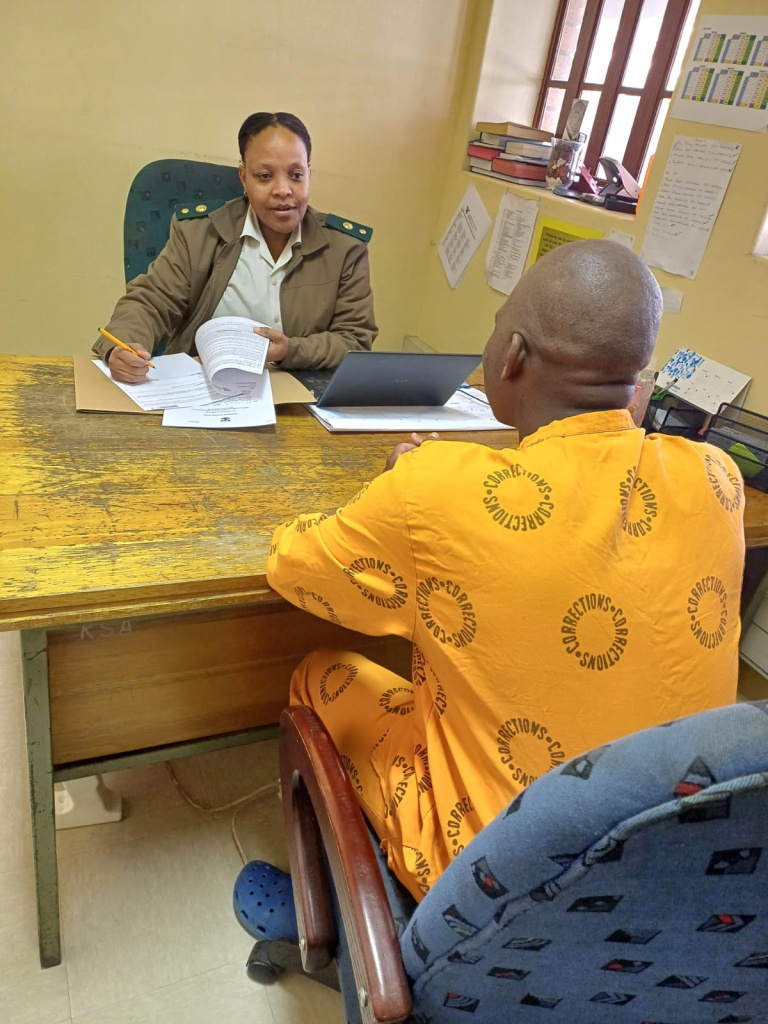
Behind every offender lies a story often shaped by trauma, loss, mental health challenges or difficult life experiences. For psychologist Tsholofelo Maano, understanding that story is where rehabilitation begins.
For the past 15 years, Maano has provided psychological services to offenders across the Rustenburg Management Area, helping them confront the thoughts, emotions and behaviours that may have contributed to their crimes. Her work extends beyond therapy – it is about creating opportunities for people to understand themselves better and make different choices.
A Journey Rooted in Purpose
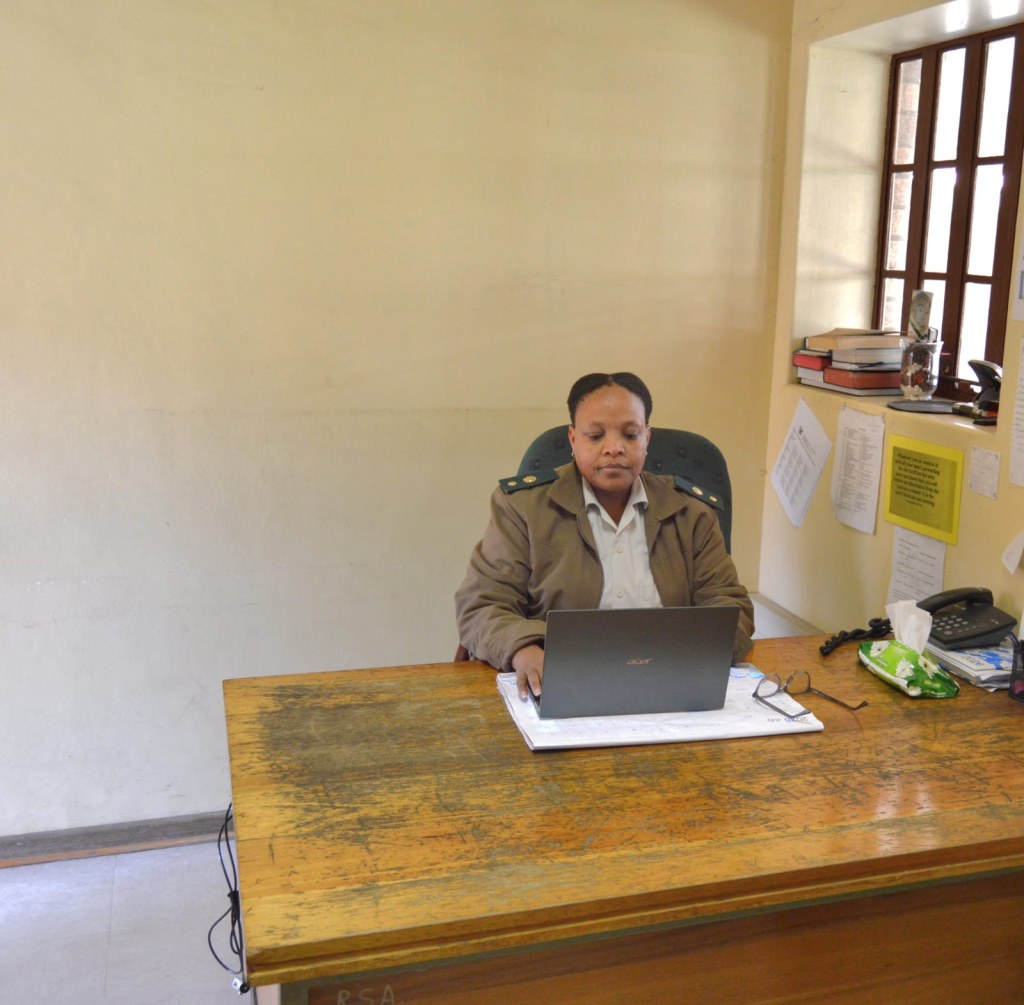
Maano’s journey into correctional services began while completing her Master’s degree, when she worked with offenders during her practical training. Seeing the impact of providing a safe, non-judgemental space for people to process trauma and emotional challenges inspired her to remain in the Department of Correctional Services.
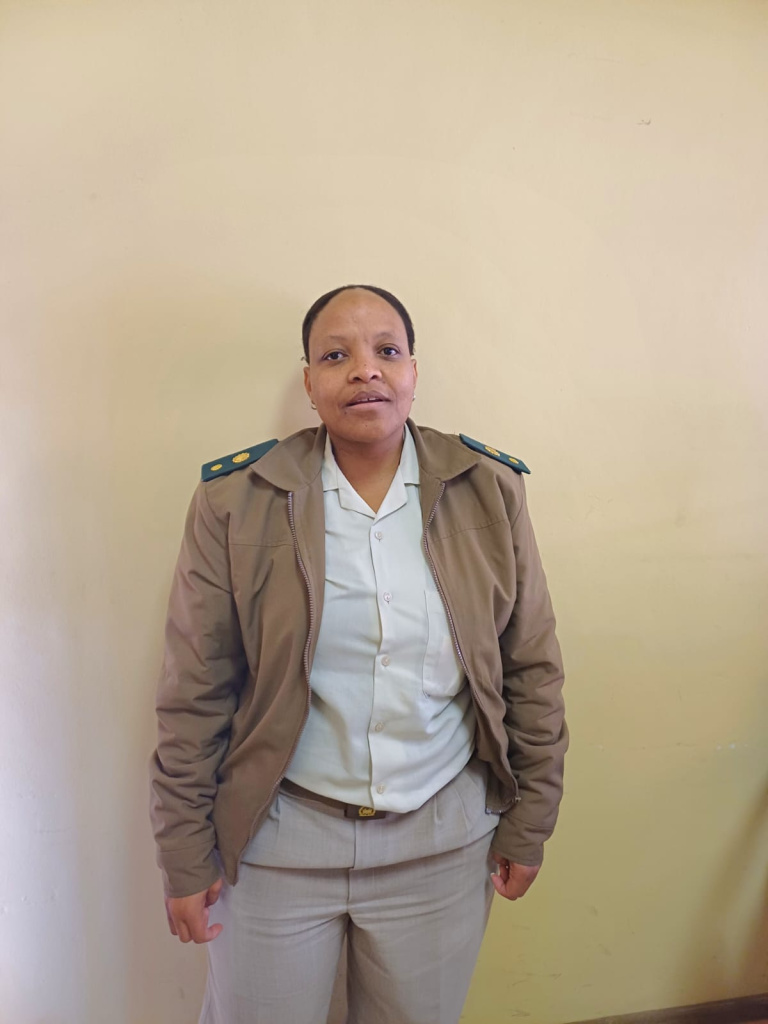
“Once you peel back the layers of criminality, you often find untreated mental illness, childhood trauma, grief, substance abuse or poor life skills,” she explains. “Helping offenders work through those challenges can lead to meaningful changes in the way they think, behave and relate to others.”
Evidence-Based Interventions for Lasting Change
Through individual therapy, group interventions and psychological assessments, Maano helps offenders build healthier coping mechanisms and develop the emotional tools needed for successful rehabilitation.
She employs evidence-based approaches such as Cognitive Behaviour Therapy (CBT) and Dialectical Behaviour Therapy (DBT), together with programmes focusing on anger management, substance abuse and life skills. These interventions encourage greater self-awareness, emotional regulation and personal accountability.
Rebuilding Families, Restoring Communities
Preparing offenders for life beyond incarceration is equally important. Where family relationships have been damaged, psychologists facilitate conversations that help offenders understand the impact of their actions while giving families an opportunity to express their expectations and begin rebuilding trust. These interventions support smoother reintegration into families and communities.
Maano’s work forms part of a multidisciplinary approach, where psychologists collaborate with social workers, criminologists and correctional officials to develop rehabilitation plans tailored to each offender’s needs.
Challenges and Rewards
While the work is deeply rewarding, it is not without challenges. Limited resources, staff shortages and overcrowded correctional centres often mean psychologists are responsible for large numbers of offenders, making it difficult to reach everyone who could benefit from psychological support.
Despite these realities, Maano remains passionate about her profession. She believes rehabilitation is a shared responsibility that requires commitment from offenders themselves, while psychologists provide the guidance, support and tools needed to help them change.
Advice for Aspiring Psychologists
Her advice to aspiring psychologists is simple: approach every person with empathy and without judgement.
“The greatest reward,” she says, “is seeing someone gain insight into themselves, heal from past experiences and begin building a healthier future.”
Through dedication, compassion and professional expertise, psychologists like Tsholofelo Maano continue to play an important role in transforming lives – one conversation, one intervention and one step towards rehabilitation at a time.