
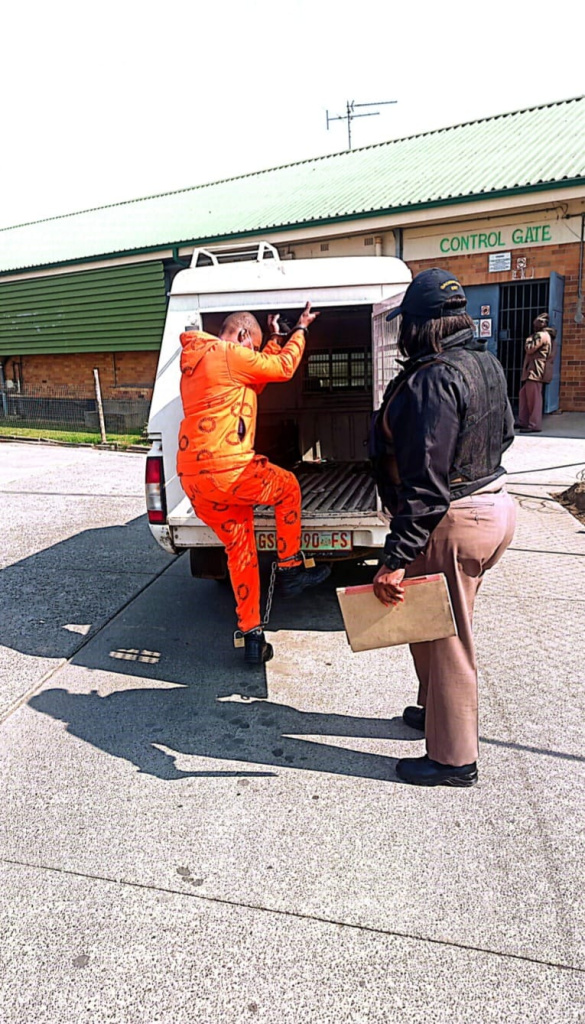
As we commemorate Women’s Month, we celebrate women whose dedication and commitment continue to make a meaningful difference. Among them is Ms Barbara Melato, an Emergency Support Team (EST) member at Vereeniging Correctional Centre, under Groenpunt Management Area in the Free State/Northern Cape Region.
This year marks 70 years since the historic 1956 Women’s March, whose legacy continues to inspire progress in gender equality and women’s empowerment. Within the Department of Correctional Services (DCS), women continue to break barriers and excel in roles traditionally dominated by men. Melato’s career is a testament to determination, professionalism and excellence in service.
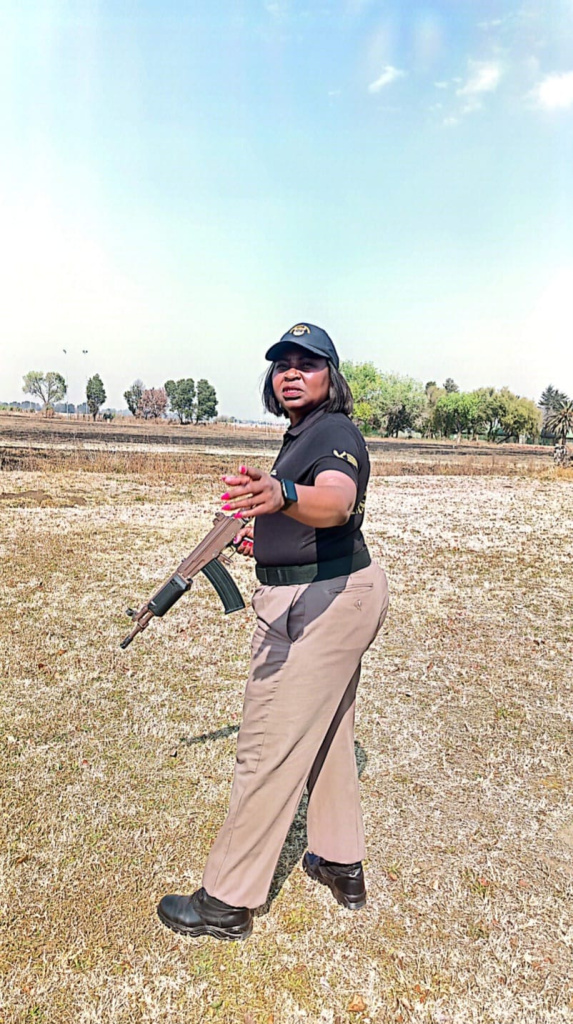
She describes EST as the backbone of every safe and secure Correctional Centre. The specialised tactical response unit is trained to respond swiftly and effectively to high-risk incidents while protecting officials, inmates and the public.
EST members manage emergencies including riots, hostage situations, gang violence, escapes, fires, floods, communicable disease outbreaks and hazardous material incidents. Beyond emergency response, they help combat crime and corruption, safeguard those in the Department’s care and maintain a secure environment through disciplined, coordinated action guided by Standard Operating Procedures.
“Joining the EST requires far more than physical fitness,” says Melato. “Members must demonstrate discipline, honesty, reliability and the ability to remain calm under pressure.” She adds that teamwork is essential, with members placing the success and safety of the unit above personal recognition.
To maintain operational readiness, EST members undergo continuous specialised training in crowd management, riot control, hostage response, crisis negotiation, searching procedures, cell extractions and firearm proficiency. Regular tactical simulations, emergency drills and annual firearm assessments ensure they remain prepared to respond effectively when every second counts.
Teamwork is central to every successful operation. Clear communication defined roles and careful planning enable members to minimise risks and respond efficiently. EST also works closely with officials across the Department to ensure a coordinated response during emergencies.
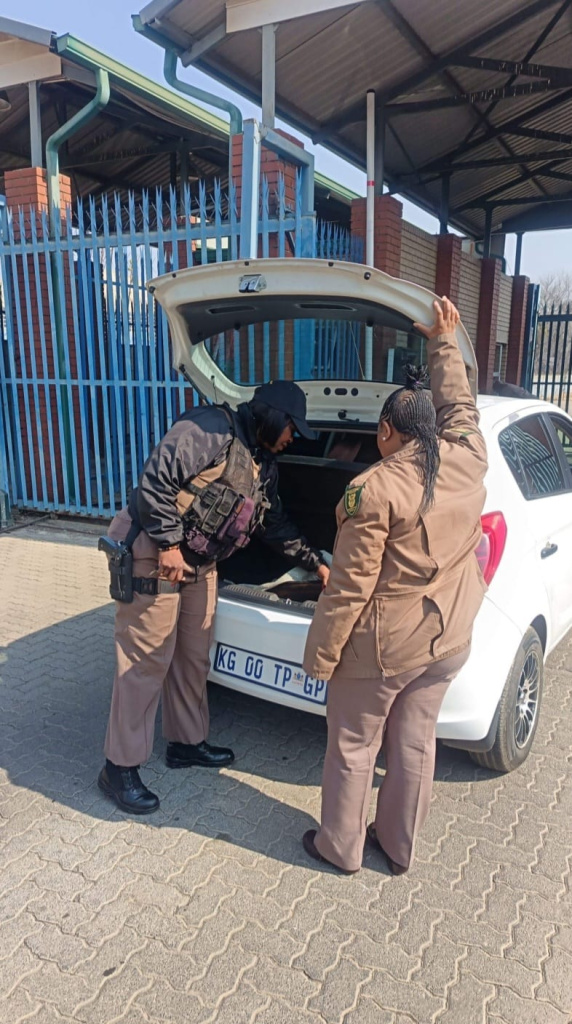
Although rewarding, the work presents challenges. Melato highlights the need for continued investment in specialised equipment, advanced tactical resources, ongoing training and fitness programmes to meet the evolving security demands of correctional centres.
One memorable operation involved a high-risk security search that led to the successful recovery of dangerous contraband. The experience reinforced the importance of preparedness, discipline and teamwork in maintaining safety and security.
Ms Melato believes EST is also changing perceptions about women in tactical roles. Serving in the unit is a source of pride and an opportunity to demonstrate that courage, resilience and operational excellence are not defined by gender. She hopes her journey will encourage more women to pursue careers within the EST and strengthen the Department’s operational capability.
As the Department continues to modernise, the future of the EST lies in greater technological integration, enhanced search capabilities and a more diverse workforce where women increasingly occupy specialised operational and leadership roles. Through professionalism, dedication and continuous development, the Emergency Support Team remains a cornerstone of safety, security and operational excellence within the DCS.