
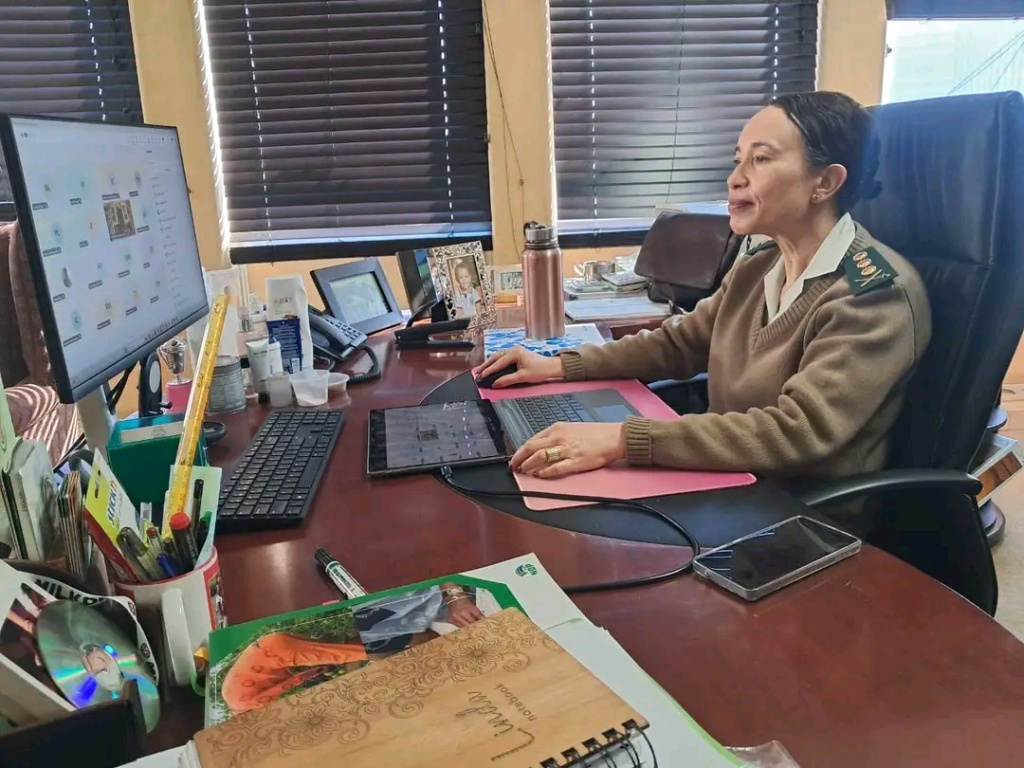
The Department of Correctional Services (DCS) concluded its two-day National Women Indaba on 6 August 2026 with a strong call to move beyond dialogue and take deliberate action to advance women’s empowerment. Held virtually under the theme, “Empowered Women Empower Nations,” the Indaba challenged the Department to create meaningful opportunities for women to grow, lead and thrive.
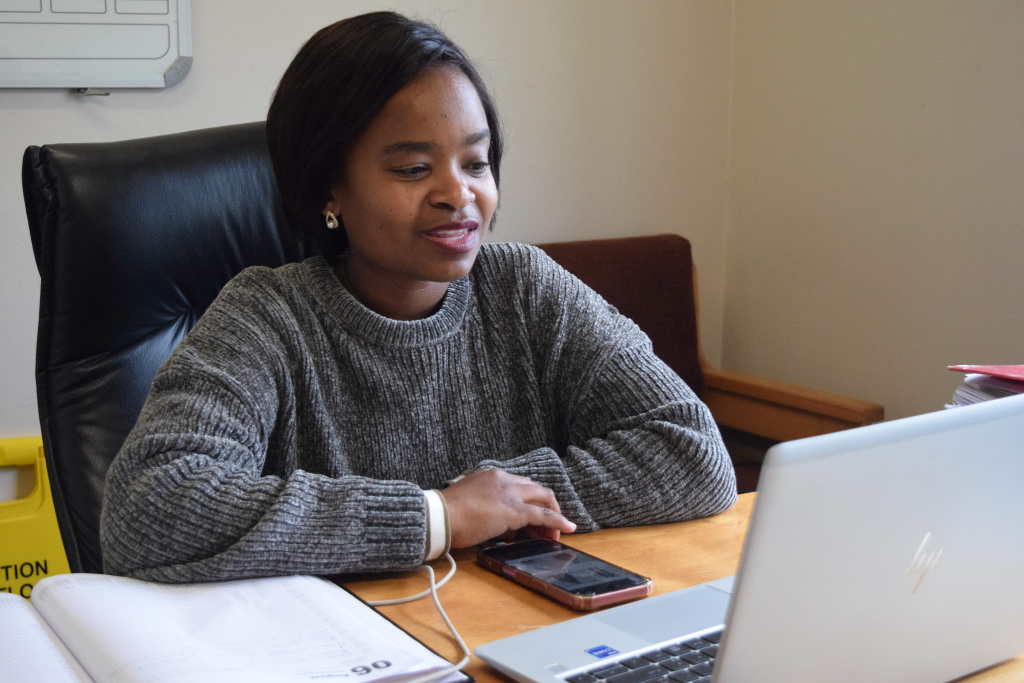
The second day focused on practical strategies to advance women within DCS, with discussions centred on women’s empowerment, breaking barriers, leadership and decision-making, career development, mentorship and sponsorship, wealth management and legacy planning, as well as women’s health and wellbeing.
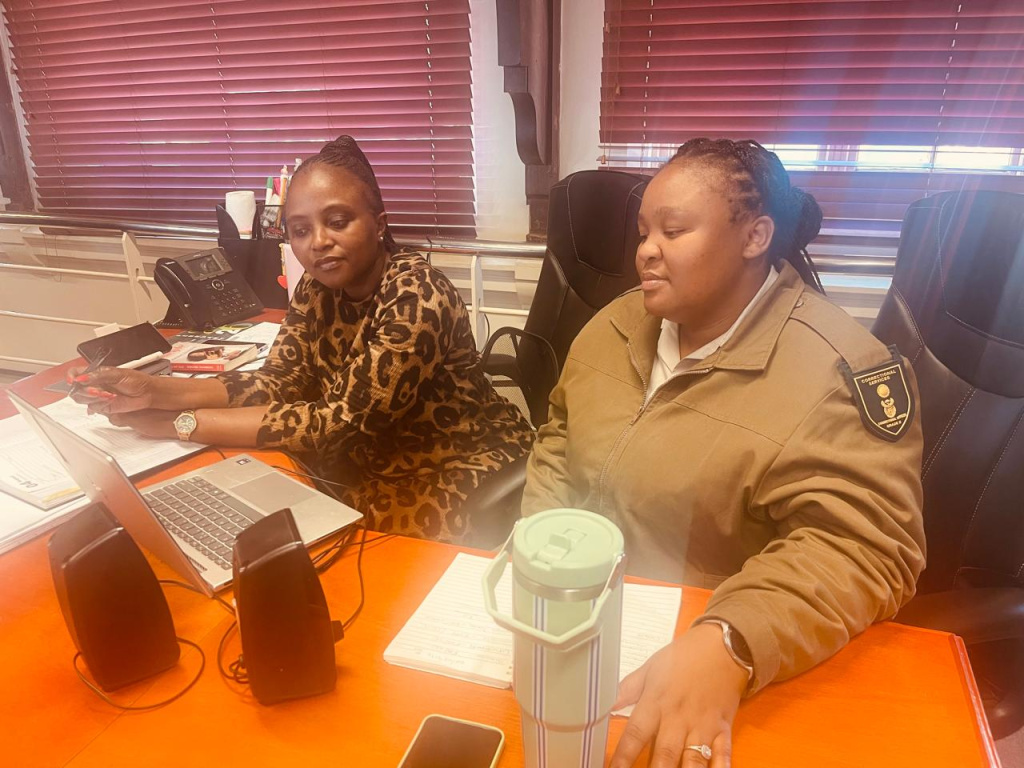
A recurring message throughout the discussions was that women’s advancement must be intentional, supported by sustained commitment and driven by measurable outcomes.
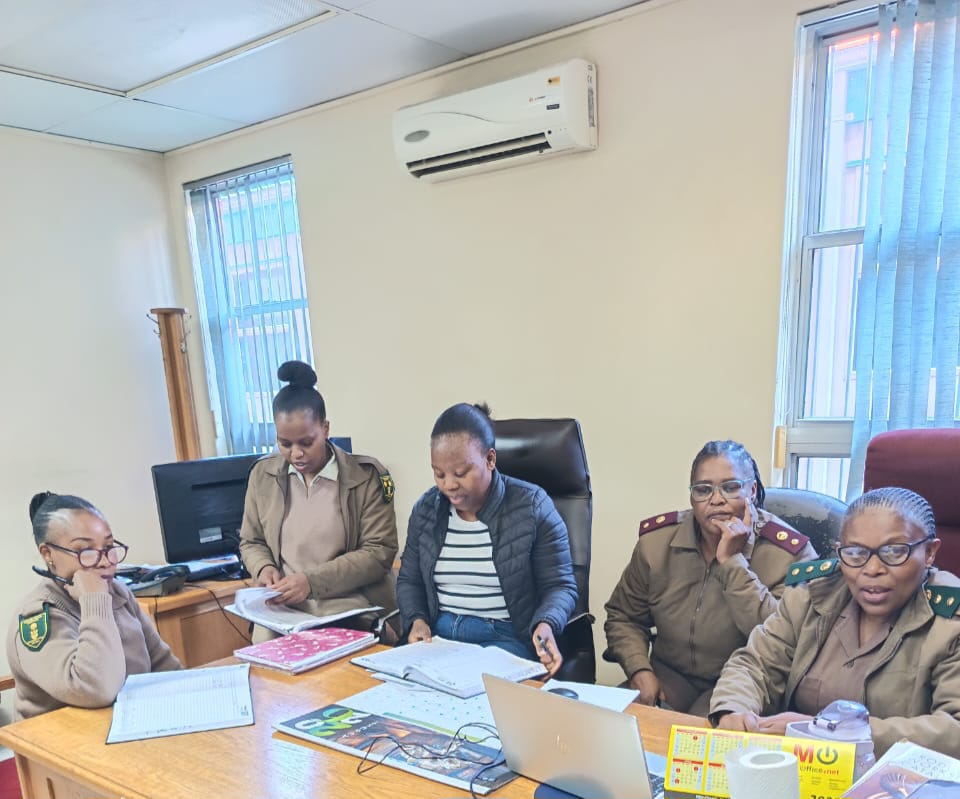
Ms Mandu Menze from the Intelligence Transfer Centre emphasised the importance of structured mentorship and sponsorship in developing women with leadership potential. She explained that while mentors provide guidance and support for personal and professional growth, sponsors actively advocate for women’s advancement and create opportunities for leadership exposure.
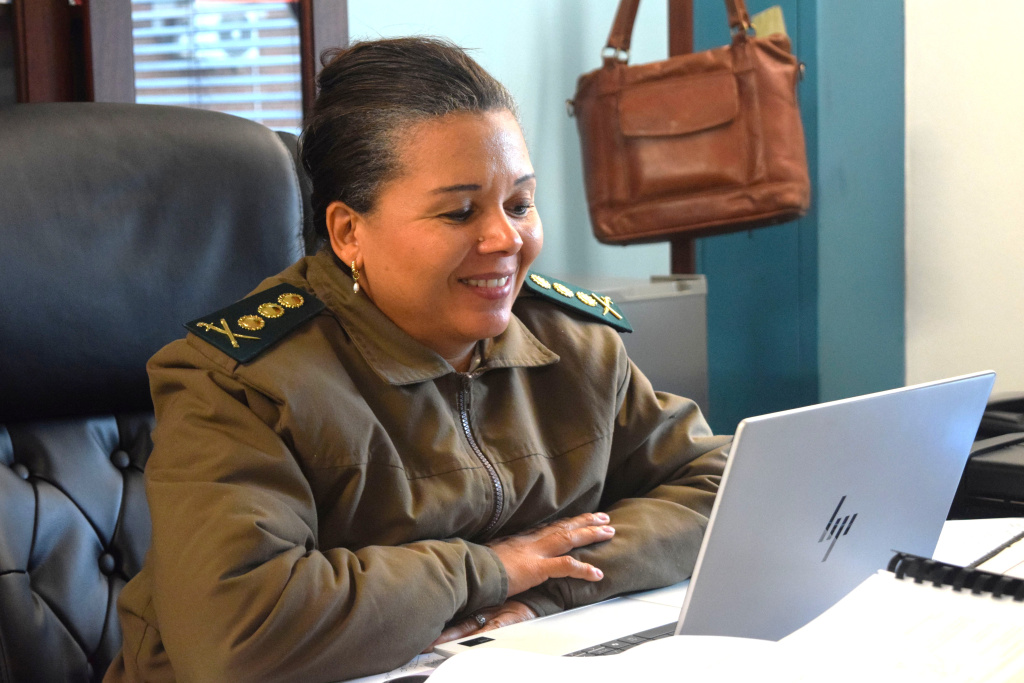
Ms Naledi Selebalo from the Commission for Gender Equality highlighted the slow pace of transformation, noting that women remain significantly underrepresented in executive leadership positions across many organisations. She also called for greater inclusion of women with disabilities and LGBTQIA+ women, who are often overlooked despite their skills, expertise and leadership potential.
Women’s health and wellbeing also featured prominently during the programme. Medical expert Dr Refiloe Moeletsi encouraged officials to prioritise both their physical and mental health, emphasising that seeking professional support is a vital aspect of self-care and overall wellbeing.
Speakers further called on DCS to strengthen succession planning, provide continuous mentoring and coaching opportunities, and establish structured sponsorship programmes that extend beyond internships. Participants were encouraged to foster collaboration across regions, promoting cooperation and collective growth rather than competition.
Accountability emerged as another key theme, with presenters stressing that gender equity should be treated as a measurable organisational responsibility, supported by clear targets, monitoring mechanisms and accountability measures. The Human Resource Management and Development Branch was urged to strengthen succession planning, strategically fill vacancies and make greater use of employee exit data to inform workforce planning.
Chief Deputy Commissioner: Human Resource Management and Development, Ms Linda Bond, reaffirmed DCS’ commitment to building an inclusive and empowering workplace. She highlighted the Department’s five-year Integrated Human Resource Management and Development Strategic Plan and announced the revival of Women’s Networks to provide platforms for mentorship, support, networking and shared learning.
She also encouraged officials and interns to take advantage of free strategic leadership and development programmes available through the National School of Government, while noting that partnerships with disability organisations and disability forums would continue to strengthen inclusion within the Department.
Mr Cameron Keeler from Reset Technology Solutions equipped participants with practical financial management skills, encouraging them to make informed financial decisions, avoid debt pitfalls and build sustainable financial security for themselves and their families.
As the 2026 National Women Indaba drew to a close, the message was clear: women’s empowerment cannot remain an aspiration. It must become a measurable reality, driven by action, accountability and meaningful opportunities that enable women to realise their full potential.