
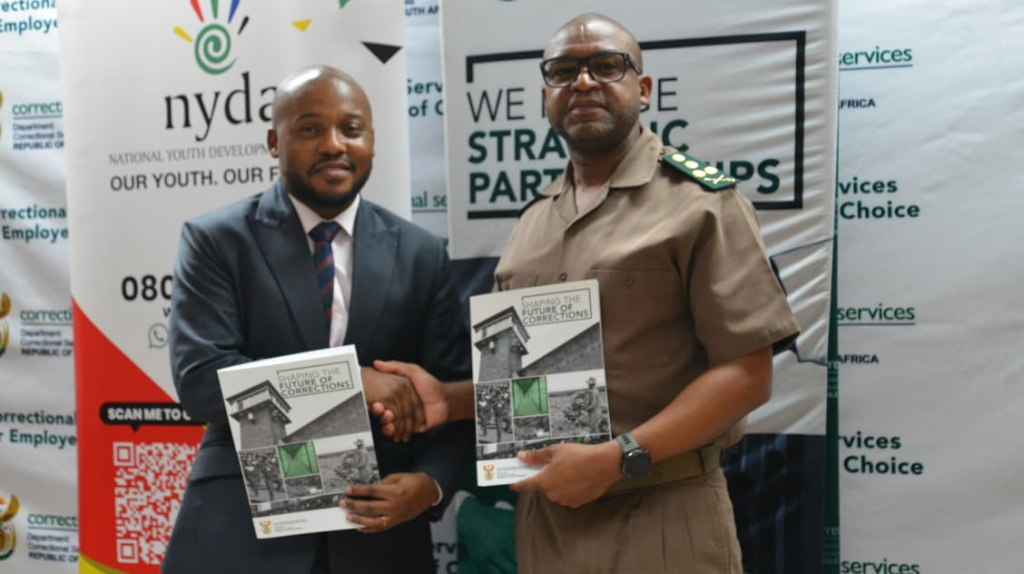
More than 11,400 young people in correctional facilities are set to benefit from expanded development opportunities following the signing of a Memorandum of Understanding (MoU) between the Department of Correctional Services (DCS) and the National Youth Development Agency (NYDA) on 24 August 2026 in Pretoria.
The agreement, signed by DCS National Commissioner, Mr Makgothi Thobakgale, and NYDA Chief Executive Officer, Mr Ndumiso Kubheka, establishes a three-year partnership focused on youth development, skills training, entrepreneurship and reintegration support.
The partnership seeks to address the growing number of young people entering correctional facilities by equipping them with the knowledge, skills and opportunities needed to rebuild their lives and contribute positively to society upon release.
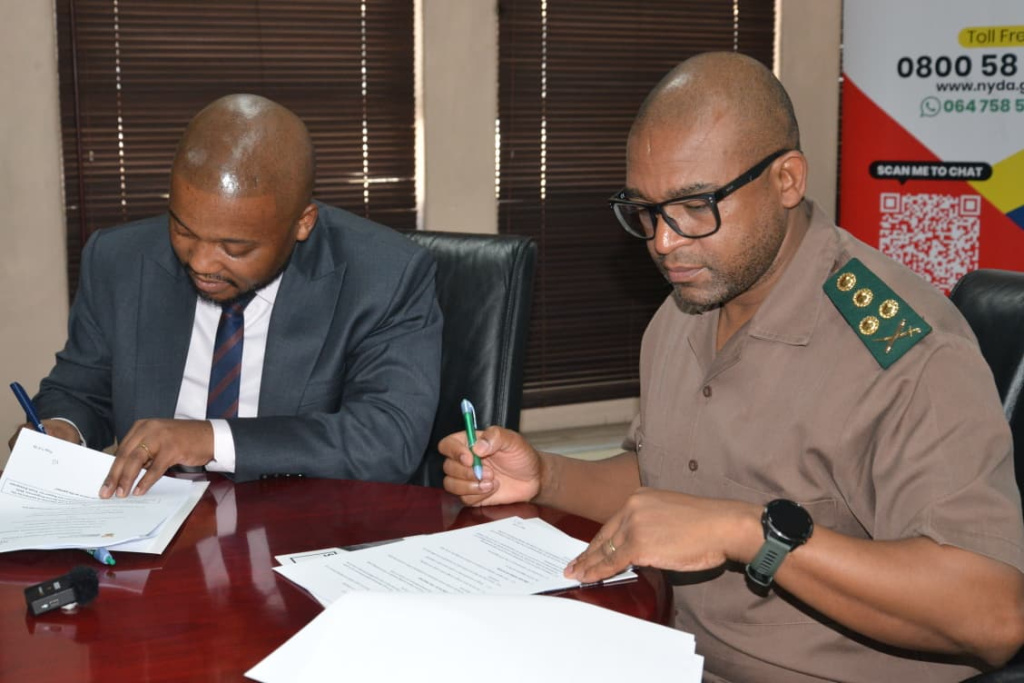
Speaking during the signing ceremony, National Commissioner Thobakgale highlighted the importance of investing in young people and strengthening interventions aimed at reducing reoffending.
“We have observed an increase in the number of young people being admitted into correctional facilities. Through this partnership, we aim to expand opportunities for youth development and ensure that our programmes assist young people to make informed decisions about their future and realise their potential,” he said.
The agreement targets three critical groups: young offenders in correctional facilities, parolees requiring aftercare, and at‑risk youth vulnerable to recruitment by gangs and syndicates.
As part of the partnership, the NYDA will provide facilitators, training material and business development programmes at no cost to the Department. The initiatives will include job-readiness training, entrepreneurship development, mental resilience programmes and the training of DCS officials to facilitate youth-focused interventions.
Mr Kubheka said the partnership extends beyond youth development and seeks to strengthen families and communities.
“This partnership is about creating pathways for young people to participate meaningfully in society and the economy. We want to ensure that they return to their families and communities equipped with the skills, confidence and support needed to build productive lives,” he said.
The collaboration builds on existing initiatives, which have already enabled parolees and community members to receive training in artisan skills, cell-phone repairs and web development.
Through the MoU, DCS and the NYDA aim to promote sustainable livelihoods, encourage self-employment and contribute to reducing recidivism among young people in conflict with the law.
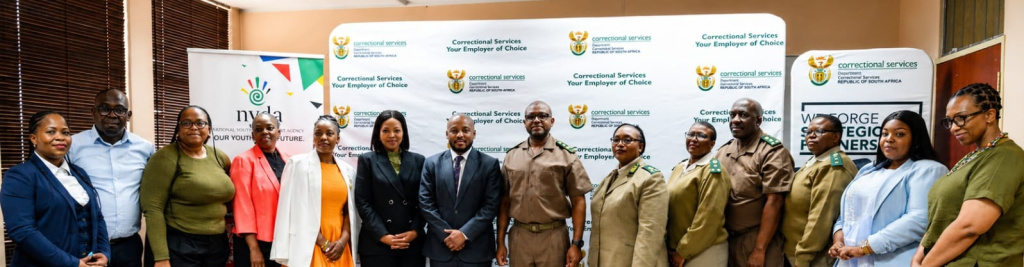
National Commissioner Thobakgale described the NYDA as a valued strategic partner and expressed confidence that the agreement would strengthen the Department’s efforts to rehabilitate and reintegrate young offenders.
“Through this partnership, we will be better positioned to empower young people and advance the rehabilitation mandate of the Department,” he said.