
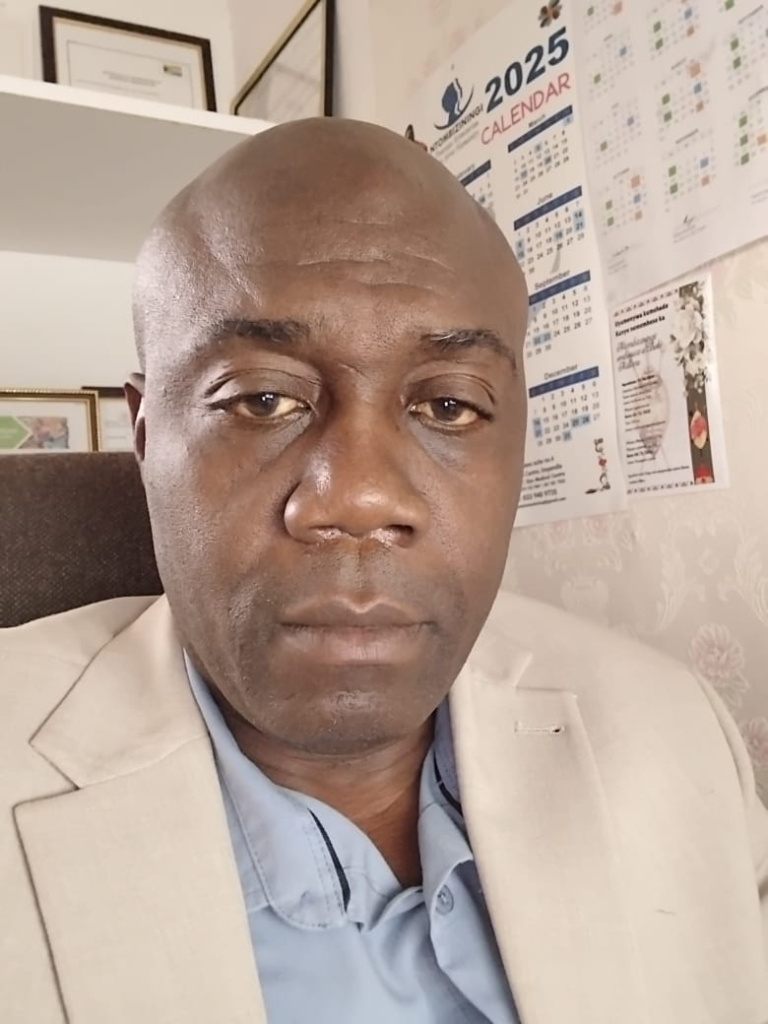
Growing up in Pietermaritzburg, KwaZulu-Natal, Parolee Vusi Nhlanhla Mthembu dreamed of becoming a doctor. However, his life took a different turn when he was convicted of murder, kidnapping and robbery and sentenced to 20 years’ imprisonment. Despite the circumstances, he held on to his late father’s wish to see him pursue an education.
While incarcerated, Mr Mthembu made a conscious decision to turn his life around. He enrolled for his matric and subsequently pursued a qualification in Psychological Counselling through the University of South Africa (UNISA), graduating while still serving his sentence. Although he did not realise his childhood dream of becoming a doctor, he discovered another calling; helping others through psychosocial support, counselling and community development.
He attributes much of his personal transformation to the rehabilitation programmes he participated in during his incarceration, which helped him confront his past, develop new skills and prepare for life beyond prison.
Reflecting on his journey, Mr Mthembu expresses deep remorse for the crimes he committed. He describes his 20 years of imprisonment as a difficult but life-changing experience that taught him the importance of accountability, self-reflection and personal responsibility. While he acknowledges that he cannot undo his past, he believes that his choices and actions today can contribute to a better future.
Reintegrating into society after two decades behind bars presented its own challenges. Mr Mthembu had to adjust to a world that had changed significantly, particularly in terms of technology and social dynamics. He also encountered stigma, mistrust and negative perceptions associated with his criminal record.
However, he believes that successful reintegration requires effort from both former offenders and society. Former offenders must take responsibility for their actions, respect the law and apply the skills acquired through rehabilitation to rebuild their lives. Equally, society must be willing to provide genuine opportunities for those who have demonstrated a commitment to change.
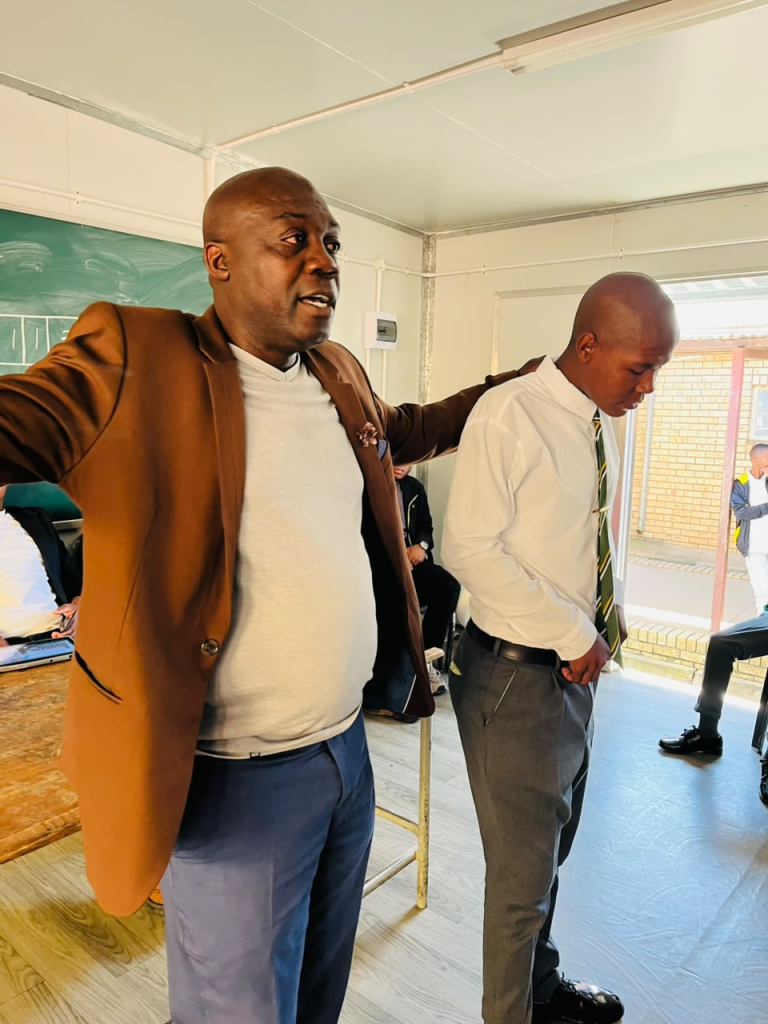
During his incarceration, Mr Mthembu participated in more than 30 rehabilitation programmes, covering areas such as anger management, substance abuse, conflict resolution, parenting, emotional intelligence and victim awareness. These interventions played an important role in preparing him for a different path upon his release.
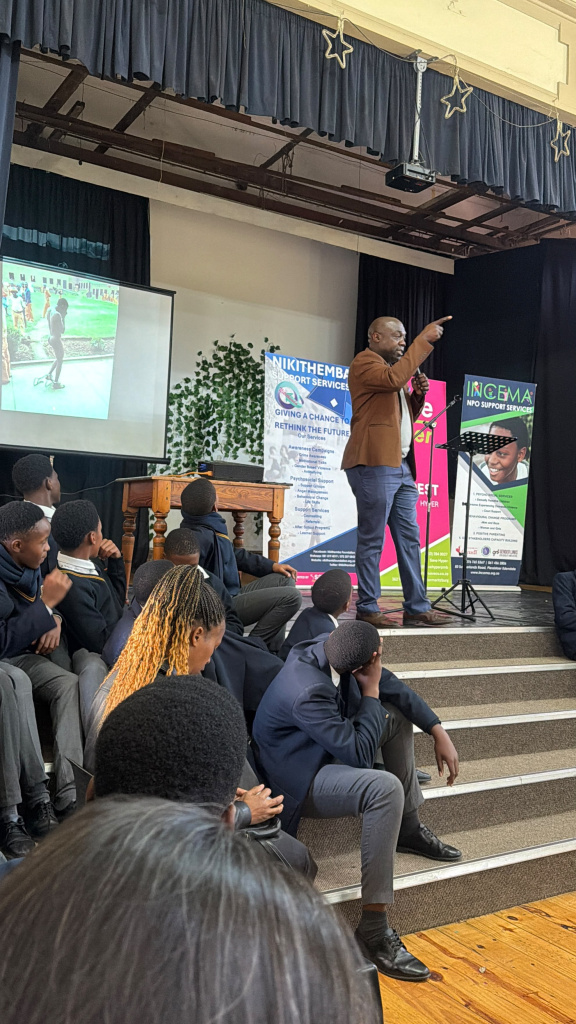
Today, he is the Founder and Executive Director of the Nikithemba Foundation, an organisation that supports vulnerable children and families. He has also established Case Craft Professional Documentation and Nuba and Mthembu Psychosocial Practice, where he works as a Wellness Counsellor.
His journey demonstrates that rehabilitation is not merely about preparing offenders for release, but also about equipping them with the knowledge, values and skills to make positive contributions to society. His story further highlights the importance of education, structured rehabilitation interventions and opportunities for successful reintegration.
“I cannot change the first chapter of my story, but I can take responsibility for the chapters I am writing today,” he concludes.